LOGISTICS
ACCOMMODATIONS IN WASHINGTON DC
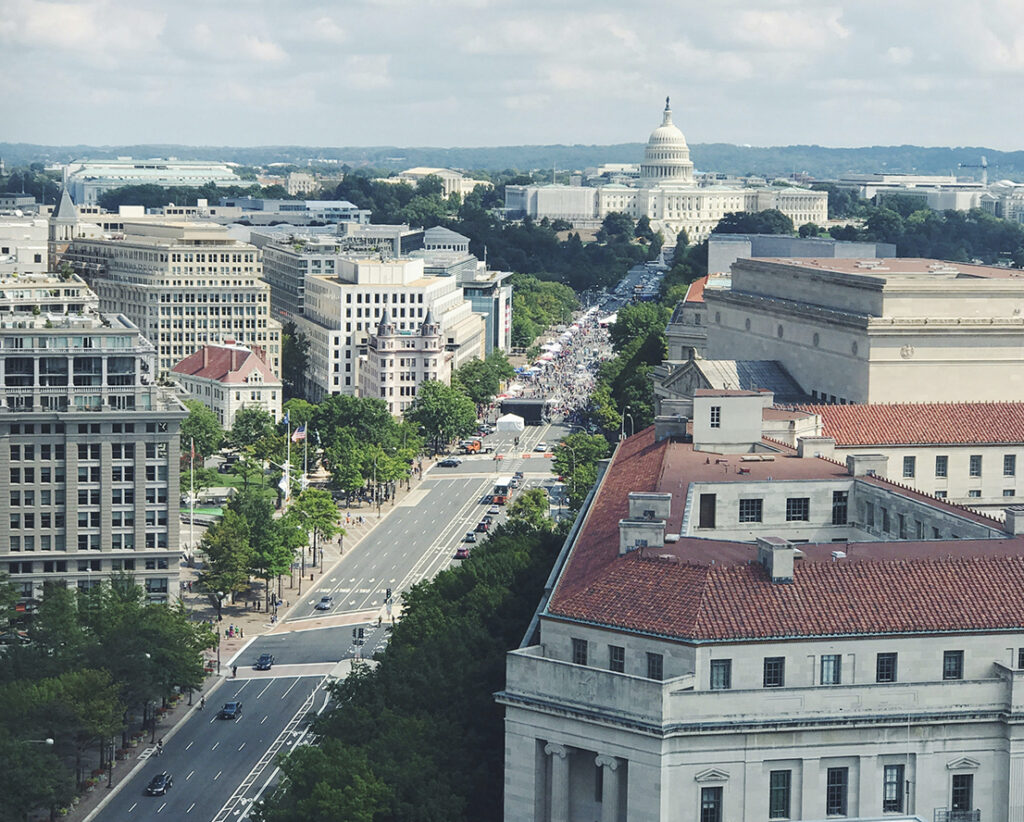
Our summer institute has booked a block of rooms at the Kimpton George Hotel in Washington D.C. for a rate of $183 per night. The hotel is a 20-minute walk to the James Madison Memorial Building of the Library of Congress.
If you’re interested in booking at this rate (for any number of days between July 5th and 11th), please do so no later June 1st.
To book a room, please click here (you’ll see that some info is already filled in): CUNY NEH Room Block
If you’re interested in staying elsewhere, here is a link to search for other hotels.
Please note that the $37/night fees will be waved. So, the $220 amount shown is actually $183.
Stipend, Tenure, and Conditions of Award
Participants will receive a stipend of $2,850 for participating in the three-week Institute, which will take place virtually for the first and third week and in person at the Library of Congress in Washington, D.C. for the second week.
Half will be paid to the participant at the beginning of the institute and half at the end. Project applicants who accept an offer to participate are expected to remain for the entire period of the program and to participate on a full-time basis.
If a participant is obliged through extenuating circumstances to depart before the end of the program, they will receive a pro-rated stipend. The full amount of Institute hours must be completed in order to receive the full stipend. Note that the entire stipend is considered taxable income.
Research in Washington D.C.
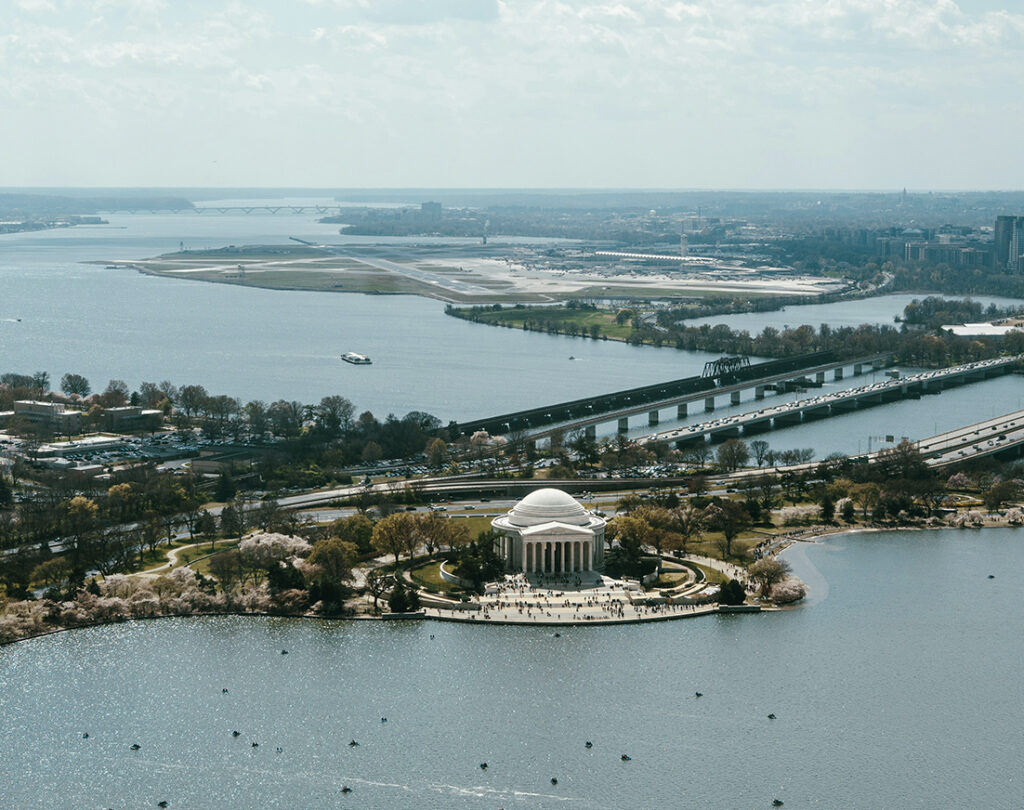
The second week of the Institute will be held in-person in Washington D.C., where participants will attend workshops and conduct research in the archives at the Library of Congress.
The Library of Congress is the largest library in the world, with millions of books, films and video, audio recordings, photographs, newspapers, maps and manuscripts in its collections. The Library is the main research arm of the U.S. Congress and the home of the U.S. Copyright Office.
The Library preserves and provides access to a rich, diverse and enduring source of knowledge to inform, inspire and engage you in your intellectual and creative endeavors. Whether you are new to the Library of Congress or an experienced researcher, we have a world-class staff ready to assist you online and in person.
The Federal Writers Project (FWP) was part of the Federal Project One initiatives established under the umbrella of the Works Progress Administration (WPA), following the collapse of the national economy that led to the Great Depression of the 1930s. The WPA was one of President Roosevelt’s New Deal programs aimed at stimulating economic recovery through employment initiatives for a wide swath of Americans. At the height of its brief existence (1935-39), FWP branches in states across the nation employed nearly seven thousand writers and produced guidebooks about American regions, states, and cities, known as the American Guide Series, along with other major publications. The Library of Congress holds a significant body of material from the FWP, primarily across three LOC Special Collections units: the American Folklife Center, the Prints and Photographs division, and the Manuscript division. However, the Library’s FWP collections are not a complete record of the program, and other federal repositories—such as the National Archive and Records Administration—have holdings documenting aspects of the FWP.
HELPFUL LINKS
Schedule
This 3-week blended virtual and in-person institute on the Federal Writers’ Project will meet from June 29 to July 17, 2026. Weeks one and three will be virtual and week 2 will be in person in at the Library of Congress in Washington, D.C. Virtual meetings are from 12-4 PM Eastern Time.[1]
Overview
Drawing on a 2021 NEH Summer Institute on the Federal Writers’ Project, this year’s focus shifts from establishing FWP studies to developing new research, pedagogical, and public humanities projects. Each day of the virtual institute features a four-hour session with ample opportunities for participants to engage in dialogue, collaborations, and consultations with co-directors and visiting scholars. In week 2 in Washington, participants will be introduced to all three major FWP collections and engage in independent and/or collaborative research.
| Date | Activity | Facilitators | Readings |
|---|---|---|---|
| WEEK ONE | VIRTUAL | |||
| June 28 1-3 pm ET | Rutkowski, Mutnick Taylor | ||
| June 29 (Day 1 of Institute) 12-4 pm ET | Roundtable 1: American Guide Series | Rutkowski, Mutnick, Fazio ~ overview Borchert, Hirsch, DeMasi | |
| June 30 12-4 pm ET | Roundtable 2: Ex-Slave Narratives | Stewart, Tidwell, Bowen, Jackson | Stewart, Long Past Slavery, intro & chapter 8 Tidwell “The United States Versus Sterling A. Brown” Bowen, Reading Slavery, Writing Freedom |
| July 1 12-4 pm ET | Roundtable 3: Life Histories & Folklore | Hirsch, Morris, May-Machunda, Curtin | Hirsch, Introduction to reprint Botkin, Lay My Burden Down Morris, “‘When he saw the pencil put to paper’: The Meaning Making of Children’s Language in Depression-era Harlem.” Owens, Chapter 2, Medical Bondage: Race, Gender, and the Origins of Gynecology. Barclay, Chapter 1, The Mark of Slavery: Disability, Race, and Gender in Antebellum America |
| July 2 12-4 pm ET | Roundtable 4: Literary Achievements | Butts, Rodriguez-Barrera, Chen, Sun, Robinson, Rivera, de la Piedra | Butts, Through a Dark Mirror, chapter 5 Rodriguez-Barrera, “The Disalienating Realism of William Attaway’s Blood on the Forge” Chen & Morris Davis, “Recovering the Worker in Meridel Le Sueur’s Worker Writers (1939/1982).” Sun and Robinson, “Eddie Shimano and Gerald Chan Sieg: Asian American Writers in the FWP” Rivera, “Of Conquistadors and Corridos: Aurora Lucero White and the New Mexico Federal Writers’ Project” de la Piedra, “That Something Else”: Botkin, Portelli and Ellison on Democratic Pluralism and the Dialogical Encounter |
| July 3 12-4 pm ET | Roundtable 5: Pedagogical and public humanities approaches | Kaplan, Fazio, Bowen | Kaplan, “Help My People When They Needed It”: Black Women’s Collaborative Labor in the Federal Writers’ Project Fazio, “Documenting Lumbee Working-Class History” Bowen, “Reading Slavery, Writing Freedom” |
| July 4-5 | Travel Days | ||
| WEEK TWO | WASHINGTON, D.C. | |||
| July 6 10 am-4 pm | LoC Staff, tbd, July 6-10 | Steedman, Carolyn. “‘Something She Called a Fever’: Michelet, Derrida, and Dust” | |
| July 7 10 am-4 pm | Three groups rotate each day to explore different collections guided by LOC staff: American Guide Series, Born in Slavery: Slave Narratives from the Federal Writers’ Project, and American Life Histories | Faculty will rotate with participants thru 3 collections, July 7-9 | FWP Collections (see finding aid, pp. 6-7) |
| July 8 10 am-4 pm | See above | FWP Collections (see finding aid, pp. 6-7) | |
| July 9 10 am-4 pm | See above | FWP Collections (see finding aid, pp. 6-7) | |
| July 10 10 am-4 pm | FWP Collections (see finding aid, pp. 6-7) | ||
| July 11-12 | Travel Days | ||
| WEEK THREE | VIRTUAL | |||
| July 13 12-4 pm ET | Roundtable 1: Teaching the State Guides | Hirsch, DeMasi, Rivera, Kietzman | Participant projects |
| July 14 12-4 pm ET | Roundtable 2: Teaching the Ex-Slave Narratives | Stewart, Bowen, Jackson | Participant projects |
| July 15 12-4 pm ET | Roundtable 3: Teaching American Life Stories & Folklore | Taylor, May-Machunda Kaplan | Participant projects |
| July 16 12-4 pm ET | Roundtable 4: Teaching FWP writers & lineages | Rutkowski, Mutnick, Tidwell, Fazio | Rutkowski, Literary Legacies, chapter 5 Mutnick, No Race, No Country, chapter 4 Lucy, “Folklore, Folk Life, and Ethnography in African American Writing of the 1930s.” |
| July 17 12-4 pm ET | |||

This entry is licensed under a Creative Commons Attribution-NonCommercial-ShareAlike 4.0 International license.

